
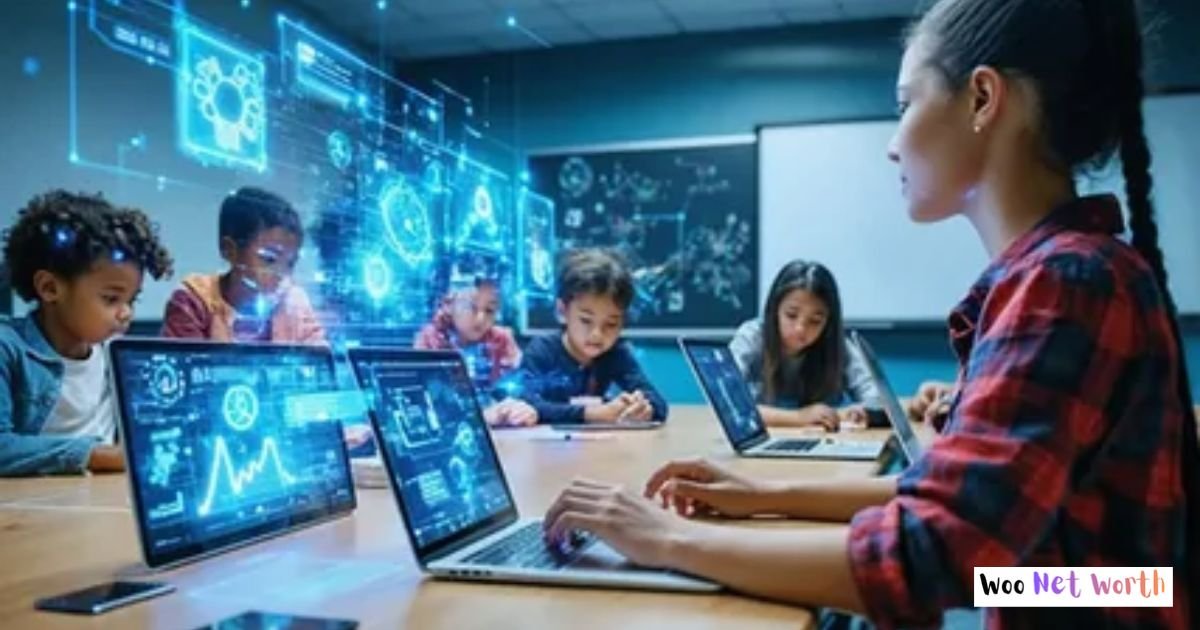
In 2026, technology is transforming how students learn, teachers teach, and professionals develop new skills. Droven IO Tech Education Trends reflects the growing interest in modern tools that make education more flexible, engaging, and accessible. From digital learning and artificial intelligence to virtual classrooms, today’s educational environment offers new ways to understand complex subjects and gain practical experience.
These changes also encourage personalized learning, helping learners study at their own pace and focus on individual needs. However, technology brings challenges involving privacy, accessibility, and digital skills. Understanding these developments can help students, educators, and professionals make smarter decisions about the future of learning and career growth.
What Are Droven IO Tech Education Trends?
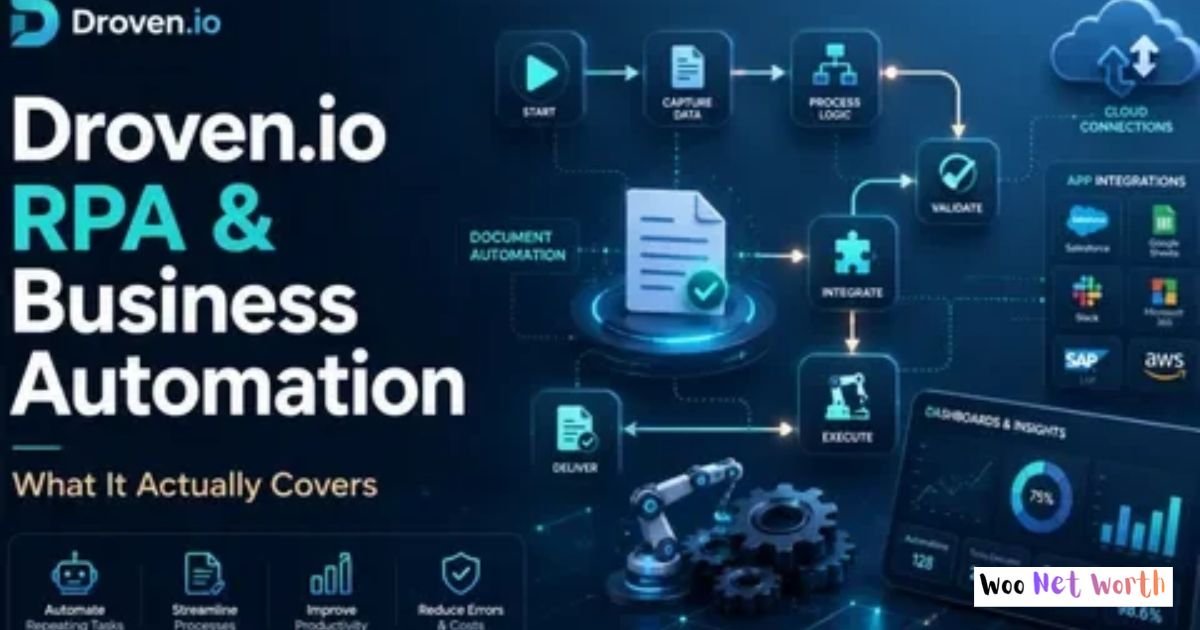
Droven IO Tech Education Trends refers here to the emerging technologies and teaching methods shaping modern digital education. These include educational technology, AI-assisted instruction, online learning platforms, and tools that help teachers understand student progress. The phrase should not be treated as the name of a verified platform without supporting evidence.
In practice, these trends combine digital tools with established teaching methods. For example, a teacher might use an online quiz to identify learning gaps before providing individual support. This approach makes technology in education more purposeful because it connects digital tools with clear learning goals.
Understanding Droven IO and Modern Educational Technology
Modern educational technology covers software, devices, and digital services that support teaching. These tools can help students research topics, practise new skills, and work with classmates. However, readers should distinguish general educational technology trends from features or services specifically verified as belonging to Droven IO.
Traditional Education vs. Technology-Driven Learning
Traditional classrooms offer direct communication, structure, and personal guidance. Digital environments add flexible schedules, recorded lessons, and resources students can revisit. A blended approach combines these strengths, allowing teachers to maintain personal connections while using technology to support different learning needs.
Why Technology Education Is Changing in 2026
Several forces are driving modern education trends in the United States. Schools are exploring AI tools, employers need changing skill sets, and learners want more flexible ways to study. Meanwhile, remote and hybrid learning continue to offer options for people who cannot always attend in-person classes.
These changes also affect colleges, training providers, and employers. Educational institutions must prepare learners for workplaces where digital tools are common. Good teaching now involves more than introducing new software. It requires helping students think clearly, check information, solve problems, and adapt when technology changes.
The Growing Demand for Digital Skills in the USA
American employers across many industries use digital systems to manage information and daily tasks. As a result, digital literacy matters beyond technical careers. Students benefit from learning how to evaluate online information, protect personal data, communicate digitally, and use software responsibly.
AI Adoption and the Shift Toward Flexible Learning
Artificial intelligence in education can help students practise difficult topics and receive quick explanations. Teachers can use AI-assisted tools to develop learning materials or prepare assessment questions. Still, AI can produce incorrect information, so learners must verify important claims and follow their school’s academic integrity policies.
Major Tech Education Trends Transforming Digital Learning
The most important Droven IO Tech Education Trends involve tools that make lessons more flexible and interactive. Adaptive learning systems adjust practice to student performance, while AI-powered learning can offer explanations and extra exercises. These tools work best when teachers set clear goals and review student progress.
Other developments include cloud-based learning platforms, mobile learning (mLearning), and gamification in education. Students can study across devices, collaborate online, and practise through interactive tasks. However, schools should choose tools based on learning needs rather than popularity alone.
Artificial Intelligence and AI Literacy in Education
AI literacy helps students understand how artificial intelligence works, where it can fail, and how to use it responsibly. AI-powered tutoring systems can explain concepts and generate practice questions. Still, students should compare important answers with trusted sources instead of treating every AI response as fact.
Personalized and Adaptive Learning Systems
Personalized learning experiences allow students to practise at a pace that suits their needs. For example, a math platform may provide extra fractions exercises when a student struggles with them. Effective personalized learning supports individual progress without isolating students from classroom discussion or teacher guidance.
Virtual Reality, Augmented Reality, and Gamification
Virtual reality (VR) in education lets learners explore simulated environments, while augmented reality (AR) in education adds digital information to real-world views. These forms of virtual and augmented reality can help students understand complex subjects. Meanwhile, interactive learning experiences and game-based tasks can improve participation when they support clear learning objectives.
Cloud-Based Learning Platforms and Virtual Labs
Cloud computing in education makes course materials, assignments, and shared projects accessible across connected devices. Learning management systems (LMS) help teachers organize lessons, grades, and student communication. These online learning management systems can simplify course delivery, although schools must check accessibility, security, and ongoing subscription costs.
Mobile Learning and Educational Analytics
Learning analytics and big data help educators identify patterns in student performance. Teachers may notice that many learners struggle with the same lesson and adjust their teaching accordingly. At the same time, digital learning resources and online education platforms let students review lessons beyond school hours.
How AI and Modern Technology Are Changing Education

Technology-driven education changes how teachers explain ideas, assess progress, and support different learners. Digital learning environments can combine videos, quizzes, online discussions, and classroom teaching. When these tools are well designed, they give students more ways to explore concepts and receive help before small problems become larger learning gaps.
However, useful technology must do more than make lessons look modern. Teachers should check whether it improves understanding, encourages participation, and supports stronger student learning outcomes. The US Department of Education’s report on AI and the future of teaching and learning discusses the opportunities and policy questions that arise as AI enters education.
AI-Powered Tutoring and Automated Feedback
Intelligent tutoring systems can guide students through problems and offer hints when they get stuck. Some platforms also use automated grading systems for selected question types. This can speed up routine tasks, but complex writing and creative work still benefit from thoughtful human review and useful feedback.
Project-Based and Hands-On Learning
Project-based learning helps students turn ideas into something they can demonstrate. A beginner might build a simple website, analyse a public dataset, or create a cybersecurity awareness guide. These projects develop practical skills because learners must plan, test, solve problems, and explain their choices.
Digital Assessments and Skill Verification
Online assessment technologies include digital quizzes, simulations, coding exercises, and electronic portfolios. They can help teachers check progress more frequently than a single final exam. Good assessments measure understanding, not just speed or memorization, and real-time student feedback helps learners correct mistakes while the lesson remains fresh.
Responsible AI Use and Academic Integrity
Generative AI in education can help students brainstorm, summarize complex material, and practise writing. Yet submitting generated work as one’s own can undermine learning and violate school policies. Teachers should explain acceptable use, require students to verify claims, and ask learners to show their reasoning and sources.
Essential Technology Skills for Students and Professionals
Modern careers require more than knowing how to operate a device. Technology skills for students should include research, digital communication, safe data handling, and the ability to learn unfamiliar tools. Strong digital skills development also involves practising tasks independently and explaining how a solution works.
For American learners, useful skills depend on their goals and interests. Some may focus on coding or cloud systems, while others need data analysis, online collaboration, or AI awareness. A balanced education combines technical knowledge with communication, sound judgment, and practical experience.
AI Literacy and Critical Thinking
Students need to understand the limits of automated systems. Critical thinking and problem-solving help them spot weak arguments, check sources, and compare possible solutions. For example, when an AI tool provides a statistic, a learner should locate the original report before using it in an assignment or presentation.
Coding, Cloud Computing, and Data Analysis
Coding teaches students to break complex problems into smaller steps. Cloud computing introduces remote storage and online services, while data analysis helps learners find patterns in information. These foundations support continuous skill development because they teach principles that can transfer across different software tools and workplaces.
Cybersecurity and Digital Safety
Cybersecurity in education means teaching learners to protect accounts, recognize phishing, and handle sensitive information carefully. Schools should also explain why strong passwords, multifactor authentication, and software updates matter. These habits prepare students to work safely with digital systems in classrooms, homes, and future jobs.
Communication, Creativity, and Problem-Solving
Technical ability becomes more useful when learners can share ideas clearly. Group assignments help students practise collaboration, handle disagreement, and explain their decisions. Employers also value creativity and adaptability because real workplace problems rarely follow a perfectly predictable script.
Benefits of Droven IO Tech Education Trends
The benefits of Droven IO Tech Education Trends depend on how educators use the tools. Well-planned technology can expand access to lessons, provide faster feedback, and offer more ways to practise. It can also help teachers organize course materials and spot areas where students need extra support.
Still, technology is not a shortcut to better results. Schools need trained teachers, accessible devices, secure systems, and meaningful assessments. When these elements work together, educational innovation can support learners without losing the personal guidance that makes teaching effective.
Benefits for Students and Teachers
Students can revisit recorded lessons, use online practice tools, and receive feedback outside regular class time. Teachers can prepare materials more efficiently and identify common mistakes earlier. These advantages may support student engagement, but outcomes still depend on lesson quality, learner needs, and consistent guidance.
Benefits for Schools, Colleges, and Universities
Institutions can use digital systems to organize courses, share resources, and track progress across classes. Smart classrooms may combine interactive displays with online resources, while digital platforms support remote participation. Schools should evaluate whether these tools improve access and learning before expanding their technology budgets.
Benefits for Businesses and Professional Training
Employers use technology-based professional training to teach software, workplace procedures, compliance, and new technical skills. Online modules let employees learn around their schedules and revisit important information when needed. However, practical coaching remains valuable when workers must perform complex tasks or make high-stakes decisions.
Traditional Learning vs. Technology-Driven Education
The comparison below shows how different learning approaches can support different needs. Neither format is automatically better in every situation; the right choice depends on the subject, learner, resources, and quality of instruction.
| Feature | Traditional learning | Technology-driven learning |
|---|---|---|
| Schedule | Usually fixed | Often more flexible |
| Resources | Books and classroom materials | Digital media and online resources |
| Feedback | May come at set intervals | Can be immediate |
| Personalization | Depends heavily on teacher capacity | May include adaptive tools |
| Collaboration | In-person discussions | In-person and online teamwork |
| Access | Often tied to location | May extend beyond campus |
| Challenges | Limited scheduling flexibility | Connectivity, privacy, and device needs |
Challenges and Risks of Technology-Based Education
Despite its advantages, digital transformation in education creates challenges that schools must address. Some students lack reliable internet access, while others share devices with family members. Schools must also protect personal information and ensure that digital tools work for learners with different needs and abilities.
Another concern is using technology without a clear purpose. Too many apps can distract students and increase teachers’ workloads. Effective digital learning strategies focus on learning goals, accessibility, privacy, and practical results rather than the number of tools a school adopts.
The Digital Divide and Unequal Access
The digital divide in education affects students who lack suitable devices, reliable broadband, or quiet places to study. Schools can respond through device-lending programs, accessible course materials, and offline resources. Educational accessibility also means designing lessons that support students with disabilities and different learning needs.
Data Privacy, Cybersecurity, and Responsible AI
Student data privacy deserves careful attention because educational platforms may collect grades, account details, and learning activity. Schools should review vendor policies, limit unnecessary data collection, and use appropriate security controls. Strong educational data privacy practices help protect learners and build trust with families.
Teacher Training and Overdependence on Technology
Teacher training and technology adoption must go together. Educators need time to practise new tools and understand when those tools are useful. Without proper training, technology can create extra work rather than improve lessons. Teachers should also retain control over important instructional decisions.
AI Errors, Academic Integrity, and Outdated Skills
AI tools can produce outdated facts, misleading explanations, or invented references. Students should check important claims against reliable sources and follow clear academic rules. Schools must also avoid chasing every new product, since durable foundations often matter more than familiarity with one specific application.
How to Choose and Implement the Right Tech Education Strategy

Successful educational technology implementation starts with a clear problem to solve. A school might want to improve reading feedback, expand access to advanced courses, or provide safer technical practice. Once the goal is clear, leaders can compare tools based on their cost, usability, privacy, and likely educational value.
A careful rollout should include teacher training, student support, and regular reviews. Schools can begin with a small pilot before making a large investment. This approach helps them find technical problems early and determine whether a tool improves learning rather than simply adding another screen.
Identify Learning Goals and Skill Requirements
Before choosing software, define what students should know or be able to do. A science class may need virtual experiments, while a writing course may benefit from revision tools. Matching technology to the task keeps spending focused and makes results easier to evaluate.
Choose Secure and Reliable Learning Platforms
Schools should check accessibility features, data policies, device compatibility, technical support, and total cost. They should also review whether a provider uses student information to train AI systems. A reliable platform should meet educational needs without creating avoidable privacy or security risks.
Use Practical Projects and Real-World Scenarios
Practical assignments show whether students can apply what they learn. A class might create a budget spreadsheet, build a basic website, or analyse a local environmental dataset. These activities connect theory with real tasks and give teachers concrete evidence of progress.
Measure Learning Outcomes and Verify Skills
Teachers can compare assessment results, project quality, attendance, and student feedback before and after a new tool is introduced. Digital assessment tools can support this process, but numbers alone may not explain why performance changed. Combining data with teacher observations gives schools a fuller picture.
Build a Sustainable Technology Learning Plan
A long-term plan should cover training, maintenance, accessibility, privacy, and replacement costs. Schools also need a process for reviewing tools as needs change. Strong technology-driven learning strategies remain flexible while keeping teaching goals at the center of every decision.
The Future of Tech Education Trends in the USA
The future of digital learning will likely involve more AI support, flexible course formats, practical simulations, and skills-based training. Adoption will vary by school, budget, subject, and local needs. These developments should be viewed as evolving possibilities rather than guaranteed changes for every American classroom.
Workforce preparation will also influence educational choices. The US Bureau of Labor Statistics projects that employment for data scientists will grow 34% from 2024 to 2034, while information security analyst employment is projected to grow 29% over the same period. These projections suggest that data and cybersecurity skills may offer useful career pathways, although individual outcomes vary.
Generative AI and Intelligent Tutoring Systems
Future tools may offer more tailored explanations, practice exercises, and study plans. AI-assisted instruction can help teachers prepare materials and support students who need extra practice. However, effective systems will still need human oversight, transparent rules, and checks for accuracy and fairness.
Emerging Technology Careers and Workforce Training
AI, data analysis, cloud computing, and cybersecurity provide possible learning pathways for students interested in technology. The BLS also projects faster-than-average growth across several computer and mathematical occupations. Learners should compare course content, costs, entry requirements, and employer expectations before choosing a career path.
Micro-Credentials and Continuous Learning
Short courses and professional certificates can help learners build specific skills without enrolling in a full degree program. Their value depends on the quality of instruction and recognition by employers. A project portfolio, practical experience, and clear evidence of ability can strengthen a learner’s qualifications.
Immersive Learning and Smart Classrooms
Emerging educational innovations may combine simulations, connected devices, and interactive displays. The Internet of Things in education can connect classroom equipment and sensors, while 5G connectivity in education may support data-heavy activities where suitable networks are available. Schools should adopt these technologies only when the benefits justify their cost and complexity.
Micro-Credentials, Blockchain, and Lifelong Learning
Blockchain academic credentials could help institutions verify certificates and other qualifications. However, adoption depends on cost, interoperability, and trust in the issuing organization. More broadly, lifelong learning will remain important as workers update their knowledge and adapt to changing tools throughout their careers.
How Digital Collaboration Tools May Evolve
Digital collaboration tools help students share documents, discuss ideas, and work on group assignments from different locations. Future platforms may connect these activities more closely with classroom lessons and assessments. The best tools will support meaningful teamwork rather than add unnecessary notifications or distractions.
- Read More: eCryptobit com
- Read More: eCryptobit.com Wallets
FAQs
What Are Droven IO Tech Education Trends?
Droven IO Tech Education Trends refers in this article to developments in digital learning, AI, cloud platforms, adaptive instruction, and modern teaching methods. The phrase itself does not establish that Droven IO is a verified educational technology provider.
How Is AI Changing Technology Education in 2026?
AI can help explain difficult concepts, generate practice questions, and provide quick feedback. Teachers can also use it to prepare learning materials. Students should verify information and follow their institution’s rules for AI use.
Which Technology Skills Should Students Learn in 2026?
Students can benefit from AI literacy, cybersecurity awareness, data analysis, coding fundamentals, and digital communication. Critical thinking and problem-solving are equally important because they help learners evaluate information and apply technical knowledge.
Is Online Learning as Effective as Traditional Education?
Online learning can work well when courses offer clear instruction, regular feedback, and appropriate support. Traditional classrooms provide direct interaction and structure. The right approach depends on the subject, learner, and quality of teaching.
Can AI Replace Teachers in the Future?
AI can assist with selected tasks, including practice exercises and routine feedback. However, teachers provide personal guidance, classroom leadership, emotional support, and professional judgment that technology cannot reliably replace.
How Can Beginners Develop Practical Technology Skills?
Beginners can choose a structured course, practise regularly, and complete small projects. They should review feedback, learn from mistakes, and build a portfolio that demonstrates what they can do rather than relying only on certificates.
What Are the Main Challenges of Digital Learning?
Common challenges include unequal internet access, device costs, privacy risks, cybersecurity threats, and insufficient teacher training. Schools can address these issues through careful planning, accessible resources, secure platforms, and ongoing support.
Which Tech Education Trends May Remain Important in the Future?
AI literacy, cybersecurity, flexible learning, data skills, and personalized instruction may remain important as education evolves. Strong foundations and continuous learning can help students adapt even when particular applications or platforms become outdated.
Final Thoughts on Droven IO Tech Education Trends
The future of educational technology will depend on how well schools combine innovation with effective teaching. AI, cloud platforms, immersive simulations, and digital assessments offer new ways to explain concepts and support learners. Yet meaningful progress requires access, teacher preparation, responsible data practices, and clear learning goals.
For American students and educators, the most useful approach is to focus on skills that transfer across tools and industries. Technology-enhanced teaching methods work best when they encourage curiosity, independent thinking, and practical experience. By applying these principles, schools can make informed choices about the future of educational technology without losing sight of what matters most: helping people learn.

Discover accurate celebrity net worth, income, career, assets, and financial insights with Woo Net Worth.
2 thoughts on “Droven IO Tech Education Trends: How Technology Is Shaping”