

Peter Woo and Oprah Winfrey built remarkable fortunes through two very different paths. Woo became a prominent Hong Kong businessman through Peter Woo real estate, corporate leadership, and strategic investments. Oprah transformed her television career into a powerful Oprah Winfrey media empire supported by production, ownership, branding, and intellectual property.
Their stories offer a fascinating look at how modern wealth develops across different industries and countries. While Woo benefited from Hong Kong’s property economy, Oprah turned audience trust into lasting commercial value. Comparing their Peter Woo fortune and Oprah Winfrey fortune reveals important differences in business ownership, investments, and wealth creation. It also explains why billionaire net worth estimates can vary.
Peter Woo and Oprah Winfrey Net Worth in 2026
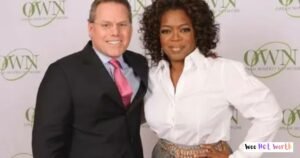
The Peter Woo net worth figure depends on the source and valuation date. His fortune is closely connected with property, investments, and major corporate holdings. By contrast, Oprah Winfrey net worth comes largely from media ownership, production, investments, and intellectual property.
Their fortunes should not be viewed as cash sitting in bank accounts. A large fortune often consists of financial assets, company stakes, property, and other investments. The supplied source also explains that market movements can change estimated wealth without an individual selling an asset.
| Person | Main wealth sources | Main market |
|---|---|---|
| Peter Woo | Property, investments, corporate holdings | Hong Kong |
| Oprah Winfrey | Media, production, investments, intellectual property | United States |
| Main wealth model | Asset and company ownership | Brand and media ownership |
The contrast is striking. Peter Woo wealth grew around physical and corporate assets. Oprah Winfrey wealth developed around media, audience reach, ownership, and brand value. Their paths prove that major fortunes can emerge from very different economic engines.
Peter Woo Net Worth and Wealth Sources
Peter Woo fortune has strong links to Hong Kong’s property sector. His career with Wheelock and Wharf gave him exposure to valuable commercial properties and other business interests. His wealth story therefore connects closely with Hong Kong’s development as an international commercial center.
Oprah’s fortune follows another route. Her Oprah Winfrey fortune grew as she moved from broadcasting into production, ownership, publishing, investments, and other ventures. This model allowed her to capture value beyond a conventional television salary.
Who Is Peter Woo?
Peter Woo is a prominent Hong Kong businessman and investor. His name became strongly associated with Wheelock and Wharf. His Peter Woo career reflects the growth of Hong Kong as a major financial and commercial hub.
His business story also demonstrates the importance of long-term ownership. Property can produce rental income while its underlying value changes over time. That combination helped shape his fortune and his influence within Hong Kong’s corporate world.
Peter Woo Biography and Early Life
Peter Woo entered a business environment shaped by family enterprises and Hong Kong’s expanding economy. His later career placed him inside large corporate groups with interests across important sectors.
Rather than relying on one short-lived business opportunity, Woo became associated with long-term business leadership. His career illustrates how ownership, capital, and strategic management can reinforce one another.
Peter Woo Education and Career
Education provided an early foundation for Woo’s professional path. He later moved into finance and business before taking a major role in the family enterprise.
His career became increasingly connected with Wheelock and Wharf. Those companies exposed him to property, infrastructure, commercial activity, and other forms of diversified holdings.
Peter Woo’s Connection With Y.K. Pao
Peter Woo’s business history is closely connected with the wider family-business network surrounding Hong Kong entrepreneur Y.K. Pao. The relationship helped place Woo within an established commercial ecosystem.
That background matters because large family enterprises can provide access to capital, networks, and operating experience. Such advantages can support long-term business ownership and expansion.
Wheelock & Co. and Wharf Holdings
The story of Wheelock and Wharf is central to understanding Woo’s wealth. These businesses gave him exposure to major property and commercial assets in Hong Kong.
The supplied source highlights Woo’s association with Wheelock and Wharf as a key part of his corporate journey. Property therefore wasn’t simply one investment category. It formed a major pillar of his financial story.
Peter Woo’s Role in Hong Kong Business
Peter Woo became an important figure in Hong Kong’s business community. His influence grew alongside companies operating in a city where property has enormous economic importance.
Hong Kong’s limited land supply has helped make prime property particularly valuable. The source notes that this environment created significant opportunities for developers and investors.
Who Is Oprah Winfrey?
Oprah Winfrey is an American media entrepreneur, television personality, producer, and philanthropist. Her Oprah Winfrey career began in broadcasting before expanding into production and business ownership.
Her rise is especially interesting because she didn’t stop at becoming a successful television personality. She developed ownership interests around her audience and content. That shift helped turn television success into a much broader media empire.
Oprah Winfrey Biography and Early Life
Oprah’s early life involved significant personal challenges. Broadcasting eventually gave her a platform where her communication skills could connect with a large audience.
Over time, that audience became a commercial asset. Her story shows how trust can create brand value when it develops over many years.
Oprah Winfrey Education and Broadcasting Career
Oprah developed her professional identity through broadcasting. Her early experience helped her understand television audiences and the importance of authentic communication.
That broadcasting career later became the foundation for larger ventures. Instead of depending entirely on employment income, she moved toward production, ownership, and business interests.
The Oprah Winfrey Show and Her Rise to Fame
The Oprah Winfrey Show became the defining platform of her early career. Its success created enormous audience reach and established Oprah as one of America’s most recognizable media figures.
The commercial significance went beyond ratings. A large and loyal audience can support publishing, production, partnerships, and other revenue streams. That principle became central to Oprah’s business model.
Oprah Winfrey as a Media Entrepreneur
Oprah’s transformation from host to entrepreneur changed the economics of her career. She gained greater control over content, production, and commercial opportunities.
Her Oprah Winfrey business interests therefore extend beyond television appearances. Production, investments, partnerships, and intellectual property all contribute to the broader picture.
Oprah Winfrey’s Philanthropic Work
Oprah has also become known for philanthropy and social initiatives. Her charitable work represents another part of her public legacy.
This side of her career shouldn’t be confused with her commercial wealth. Philanthropy involves deploying resources for social causes, while investments and business equity are designed to create or preserve financial value.
How Peter Woo Built His Fortune

The foundation of the Peter Woo fortune lies in ownership, property, and corporate interests. His association with major Hong Kong companies gave him exposure to valuable assets during the city’s economic expansion.
Real estate can behave differently from shares. A prime building can generate income while its market value changes. This makes Peter Woo real estate particularly important when examining his overall wealth.
Real Estate and Property Investments
Property became a major component of Woo’s financial story. His exposure to Hong Kong’s property market placed him in a sector where location can dramatically influence asset values.
The phrase property investments covers more than buying individual buildings. It can include development, commercial ownership, rental income, land value, and strategic stakes in property-focused companies.
Wheelock & Co. Business Interests
Wheelock provided an important corporate platform for Woo. Its activities created exposure to property and other commercial operations.
Such business interests can produce wealth through ownership rather than salary. The source similarly explains that ownership is often a central engine behind extraordinary fortunes.
Wharf Holdings and Commercial Properties
Wharf’s property interests gave Woo exposure to valuable commercial property. Major urban developments can become important economic assets when they sit in high-demand locations.
Commercial real estate also illustrates the importance of asset ownership. The owner can benefit from rental income, development opportunities, and changing property values.
Harbour City and Times Square
Hong Kong contains some of Asia’s best-known commercial developments. Harbour City and Times Square became examples of how large-scale property assets can combine retail, offices, tourism, and urban activity.
These properties demonstrate why commercial assets can have several layers of value. Their worth may reflect location, tenants, foot traffic, rental income, and broader market expectations.
Diversification Into Retail, Telecom and Other Assets
Woo’s business interests were not limited to one property. His wider corporate exposure provided additional diversification.
That approach reflects investment diversification. Spreading ownership across different businesses can reduce dependence on one source of income, although diversification doesn’t eliminate market risk.
How Oprah Winfrey Built Her Fortune
The story of Oprah Winfrey wealth begins with television. Yet television alone doesn’t explain her financial success. The bigger story involves ownership, production, content, partnerships, and a global audience.
Her approach demonstrates modern wealth-building strategies. Build attention first. Develop trust next. Then create businesses around that trust.
Television Career and Media Ownership
Oprah’s television success gave her something extremely valuable: sustained audience attention. She eventually used that attention to support greater media ownership.
Ownership matters because creators can capture more of the economic value generated by their work. A salary pays for labor. Ownership can generate continuing returns from an asset.
Harpo Productions and Content Rights
Harpo Productions became an important part of Oprah’s business story. Production ownership gave her greater control over content and commercial opportunities.
That control relates directly to media rights and intellectual property. Content can continue generating value long after its original broadcast when the owner controls the underlying rights.
Oprah Winfrey Network and Media Ventures
Oprah expanded beyond her flagship television show into wider media ventures. Her name itself had become a powerful commercial asset.
The Oprah Winfrey Network also showed how a personal brand can support a dedicated media platform. It was another example of entrepreneurial ownership replacing a simple employee model.
Brand Partnerships, Investments and Intellectual Property
Oprah’s commercial influence extends into partnerships and investments. Her recommendations can also influence consumer behavior because her audience associates her name with trust.
This demonstrates how personal branding can become an economic asset. Strong branding can support media and investments while creating opportunities across several industries.
Books, Publishing and Other Business Interests
Books and publishing became another important part of Oprah’s influence. Her reading recommendations helped turn literary attention into cultural and commercial momentum.
Publishing also highlights the importance of intellectual property. A successful title can generate value through editions, rights, adaptations, and related commercial activity.
Peter Woo vs Oprah Winfrey: Wealth, Business and Career
The Peter Woo and Oprah Winfrey comparison becomes clearer when you look beyond headline wealth figures. Woo’s model centers heavily on property and corporate ownership. Oprah’s model centers on media, brand, content, and audience.
Neither story follows a conventional salary-based path. Both demonstrate business ownership as a route toward substantial wealth. Their main difference lies in the assets they accumulated and controlled.
| Area | Peter Woo | Oprah Winfrey |
|---|---|---|
| Primary sector | Real estate and corporate business | Media and entertainment |
| Geographic base | Hong Kong | United States |
| Major asset type | Property and company interests | Media rights, brands and investments |
| Wealth model | Corporate and asset ownership | Media ownership and personal brand |
| Core advantage | Asset appreciation and business scale | Audience trust and intellectual property |
Difference Between Their Main Wealth Sources
Peter Woo’s Peter Woo investments are closely linked with property and established businesses. His wealth therefore has a strong asset-backed character.
Oprah’s Oprah Winfrey investments sit within a broader media and business ecosystem. Her fortune reflects ownership, brand value, production, and financial assets.
Real Estate Wealth vs Media Wealth
Real estate depends heavily on location, financing, supply, demand, and property cycles. A prime building can become more valuable when the surrounding economy expands.
Media wealth works differently. A successful program or brand can reach millions without requiring the same physical infrastructure. Oprah’s career shows how audience reach can become an economic resource.
Business Ownership and Investment Strategies
Woo’s story highlights capital allocation into property and established corporate interests. Oprah’s journey highlights investment in content, production, brand, and audience-driven opportunities.
Both approaches require patience. Building wealth through ownership rarely happens overnight. The source similarly emphasizes long-term ownership as a major feature of extraordinary fortunes.
Hong Kong Business Empire vs American Media Influence
Peter Woo’s influence developed within Peter Woo Hong Kong business circles. His career was shaped by one of the world’s most important commercial cities.
Oprah built her influence within Oprah Winfrey United States media culture. Her audience eventually became international, giving her global audience reach.
Peter Woo and Oprah Winfrey’s Global Reach
Their influence now extends beyond their home markets. Woo’s business story is connected to international investment and Hong Kong’s global role.
Oprah’s brand travels through television, books, entertainment, and digital media. Both demonstrate how economic influence can extend beyond a person’s primary industry.
Peter Woo and Oprah Winfrey in the Global Wealth Landscape

The Peter Woo and Oprah Winfrey comparison also fits into a much larger story about the global wealth landscape. Fortunes today come from technology, property, luxury goods, finance, entertainment, and other sectors.
The supplied source places their stories alongside technology founders and major investors. It also explains that the richest people in the world often hold large company stakes rather than keeping their fortunes in cash.
Their Place Among High-Net-Worth Individuals
Woo and Oprah represent two different segments of the billionaire class. Woo’s story is rooted in corporate assets and property. Oprah’s is rooted in media and brand ownership.
Their examples show why wealth rankings can sometimes hide important differences. Two people may have similar estimated wealth while holding completely different assets.
Peter Woo’s Position in Global Billionaire Rankings
Global billionaire rankings change as asset prices move. Property valuations can shift. Public shares can move every trading day. Private businesses can also receive new valuations.
Therefore, a ranking is best understood as a snapshot. The source notes that billionaire rankings should carry a measurement date because the order can change quickly.
Oprah Winfrey’s Position Among Media Billionaires
Oprah occupies a distinctive position because her fortune grew from entertainment rather than technology or industrial manufacturing.
Her story demonstrates how media can create enormous value when a creator controls content, production, brand, and ownership. It also shows the commercial power of the US media market.
How Market Values Affect Billionaire Rankings
A billionaire’s ranking can change without any major change in lifestyle. If shares rise, estimated wealth rises. If property values fall, estimated wealth can decline.
This is why market movements matter so much. Currency changes also affect international comparisons through exchange rates.
Wealth Creation Across Real Estate and Entertainment
The richest billionaires by industry come from very different sectors. Technology can scale quickly. Property can compound over decades. Entertainment can monetize attention and intellectual property.
The supplied comparison places Peter Woo in real estate and Oprah in entertainment. This makes their stories useful examples of different paths to wealth creation.
How Celebrity and Billionaire Net Worth Is Calculated
Estimated net worth is not the same as money in a bank account. Analysts normally add valuable assets and subtract known liabilities to create an approximate financial figure.
Public shares are easier to value because market prices are visible. Private companies and property require more judgment. The source explains why two reputable publications can therefore report different figures.
Public Stocks, Private Companies and Property
Public-company shares have a visible market price. Private companies don’t trade openly every day. Analysts must therefore estimate their value using available financial information and comparable businesses.
Property also requires valuation. A building may have an estimated market price without anyone actually offering that amount in a transaction.
Assets, Investments and Liabilities
A net-worth calculation can include homes, company stakes, investments, property, cash, and other financial assets.
Debt matters too. Subtracting liabilities gives a more meaningful picture of someone’s overall financial position.
Currency Exchange Rates and Market Movements
International wealth comparisons often use US dollars. Therefore, exchange rates can change the reported value of assets held in another currency.
The same issue affects comparisons between Hong Kong and American fortunes. A change in currency can alter a dollar estimate without changing the underlying asset.
Why Different Sources Report Different Figures
Net worth estimates can vary because sources use different dates and methods. One publication may value a private holding conservatively. Another may use a higher comparable-company valuation.
Readers should therefore check the date and methodology. Comparing two figures from different years can create a misleading conclusion.
Estimated Net Worth vs Actual Cash Wealth
Net worth does not mean spendable cash. A billionaire may own valuable buildings or company shares without having billions readily available.
This distinction is crucial when reading a billionaire wealth ranking. Such rankings estimate asset value rather than showing a person’s bank balance.
Peter Woo and Oprah Winfrey: Career Achievements, Assets and Legacy
The long-term legacy of Peter Woo and Oprah Winfrey extends beyond their fortunes. Woo became closely associated with Hong Kong’s corporate and property landscape.
Oprah changed the relationship between celebrity and ownership. Her career showed that a television personality could become a major entrepreneur by turning audience trust into lasting business value.
Peter Woo’s Business Achievements in Hong Kong
Woo’s career reflects the development of Hong Kong’s property and corporate sectors. His association with Wheelock and Wharf gave him a prominent role in major business operations.
His legacy also demonstrates how family business interests can develop into sophisticated corporate structures. Long-term management can turn established assets into broader business opportunities.
Oprah Winfrey’s Media and Cultural Influence
Oprah’s impact reaches far beyond television. Her interviews, recommendations, productions, and public conversations influenced American popular culture.
Her career also shows the power of media influence. When an audience trusts a person, that trust can create both cultural and commercial value.
Major Assets and Business Interests
Woo’s assets have been closely associated with property and corporate holdings. Oprah’s assets and interests span media, production, investments, and brand-related opportunities.
Their portfolios demonstrate two forms of asset values. One relies heavily on tangible assets. The other combines intangible assets with investments and business ownership.
Philanthropy and Social Contributions
Both public figures have left legacies that reach beyond commercial success. Wealth can provide resources for charitable projects, education, community programs, and other social causes.
Philanthropy also changes how a wealthy person’s legacy is viewed. Financial success becomes only one part of the story when resources are directed toward wider social goals.
Long-Term Business and Cultural Legacy
Woo’s career highlights wealth preservation and long-term ownership. Once a fortune becomes substantial, managing and protecting assets can become as important as creating them.
Oprah’s story adds another dimension. Her use of personal branding, content, and ownership demonstrates how intangible assets can become extraordinarily valuable over time.
- Read More: Arpit Bala Net Worth
- Read More: Anumol RS
FAQs
Are Peter Woo and Oprah Winfrey Related?
No reliable evidence in the supplied source indicates that Peter Woo and Oprah Winfrey are related. They are separate public figures who built careers in very different industries.
Who Is Peter Woo?
Peter Woo is a Hong Kong businessman and investor. He is best known for his association with Wheelock and Wharf and his long connection with the property sector.
Who Is Oprah Winfrey?
Oprah Winfrey is an American media entrepreneur, television personality, and producer. She built a global brand through broadcasting and business ownership.
What Is Peter Woo’s Net Worth in 2026?
Peter Woo net worth estimates vary because private holdings, property values, market prices, and exchange rates can change. The most reliable approach is to use a dated estimate from a recognized wealth publication.
What Is Oprah Winfrey’s Net Worth in 2026?
Oprah Winfrey net worth also represents an estimate rather than a bank balance. Her wealth includes business interests, investments, media-related assets, and intellectual property.
How Did Peter Woo Become Rich?
Peter Woo became wealthy through family business interests, corporate leadership, property, and investments. His fortune is strongly connected with Hong Kong’s real estate economy.
How Did Oprah Winfrey Become Rich?
Oprah expanded from television into production, ownership, investments, and wider media ventures. Her ability to monetize a large audience became central to her financial success.
Is Peter Woo Richer Than Oprah Winfrey?
Their estimated fortunes depend on the source, valuation date, and methodology used. A fair comparison should use figures from the same period and comparable methods rather than mixing different years.
What Businesses Made Peter Woo Wealthy?
Peter Woo’s wealth is closely connected with Wheelock, Wharf, property, commercial assets, and investments. His story demonstrates the importance of corporate ownership and long-term property exposure.
What Businesses Contributed to Oprah Winfrey’s Fortune?
Oprah’s fortune grew from television, production, media ventures, investments, publishing, and brand-related opportunities. Her model demonstrates how business equity and intellectual property can transform a successful career into lasting wealth.
Why Do Billionaire Net Worth Figures Change?
Billionaire wealth changes because shares, property, private-company valuations, investments, currencies, and liabilities can move. The source describes these rankings as snapshots rather than permanent financial totals.
Final Thoughts on Peter Woo and Oprah Winfrey
Peter Woo and Oprah Winfrey represent two fascinating models of modern wealth. Woo’s story grew from property, corporate leadership, and long-term ownership. Oprah’s journey grew from television into media ownership, production, branding, and investments.
For readers in India, the comparison offers a useful business lesson. Wealth can come from property and investments, media, technology, or other sectors. Yet ownership remains a recurring theme. Whether the asset is a building, company stake, brand, or intellectual property, controlling valuable assets can create lasting financial influence.
The biggest takeaway isn’t simply the size of their fortunes. It is how differently those fortunes were built. Peter Woo used the power of Hong Kong’s property economy. Oprah used audience trust and the expanding value of media. Both stories show that wealth is often created when a successful career evolves into meaningful business ownership.

Discover accurate celebrity net worth, income, career, assets, and financial insights with Woo Net Worth.
2 thoughts on “Peter Woo and Oprah Winfrey: Net Worth, Career & Business”